Gallery





On this episode of "Cult Faves," an examination of the role "Atlas Shrugged" played in NXIVM’s philosophy
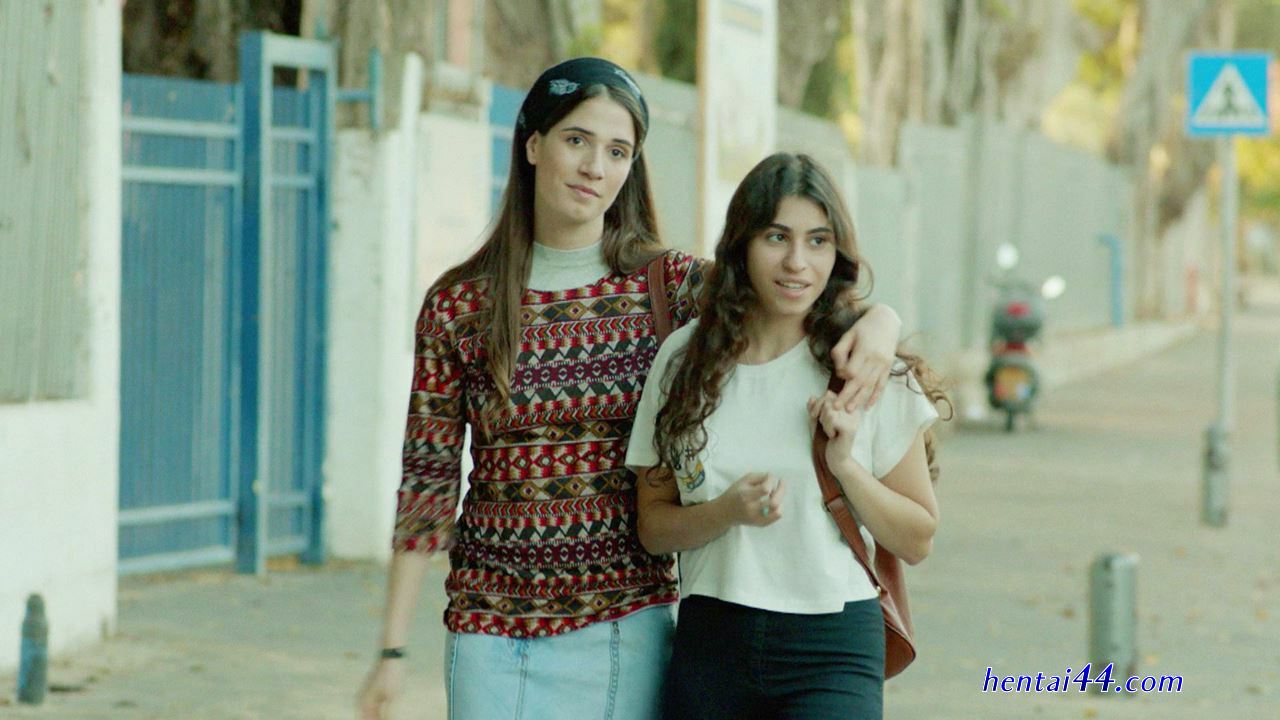
But while the Emmy- and Golden Globe-winning series based on Margaret Atwood’s novel paints a bleak picture set in an alternative or, more worryingly, not-too-distant future, Harem is very much set in present-day Israel, raising topical and emotional questions about the existence of cults and themes of family and belonging.
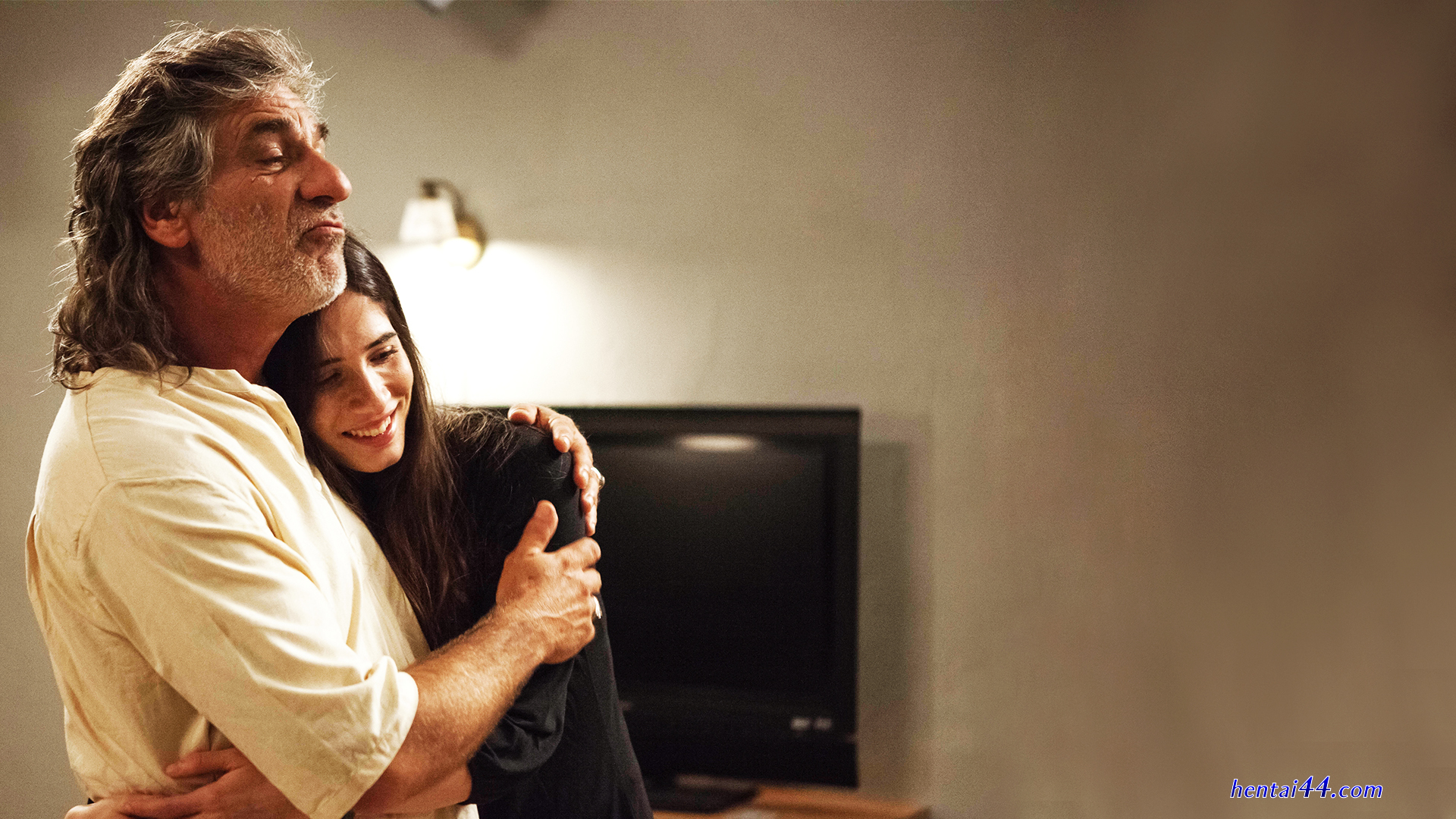
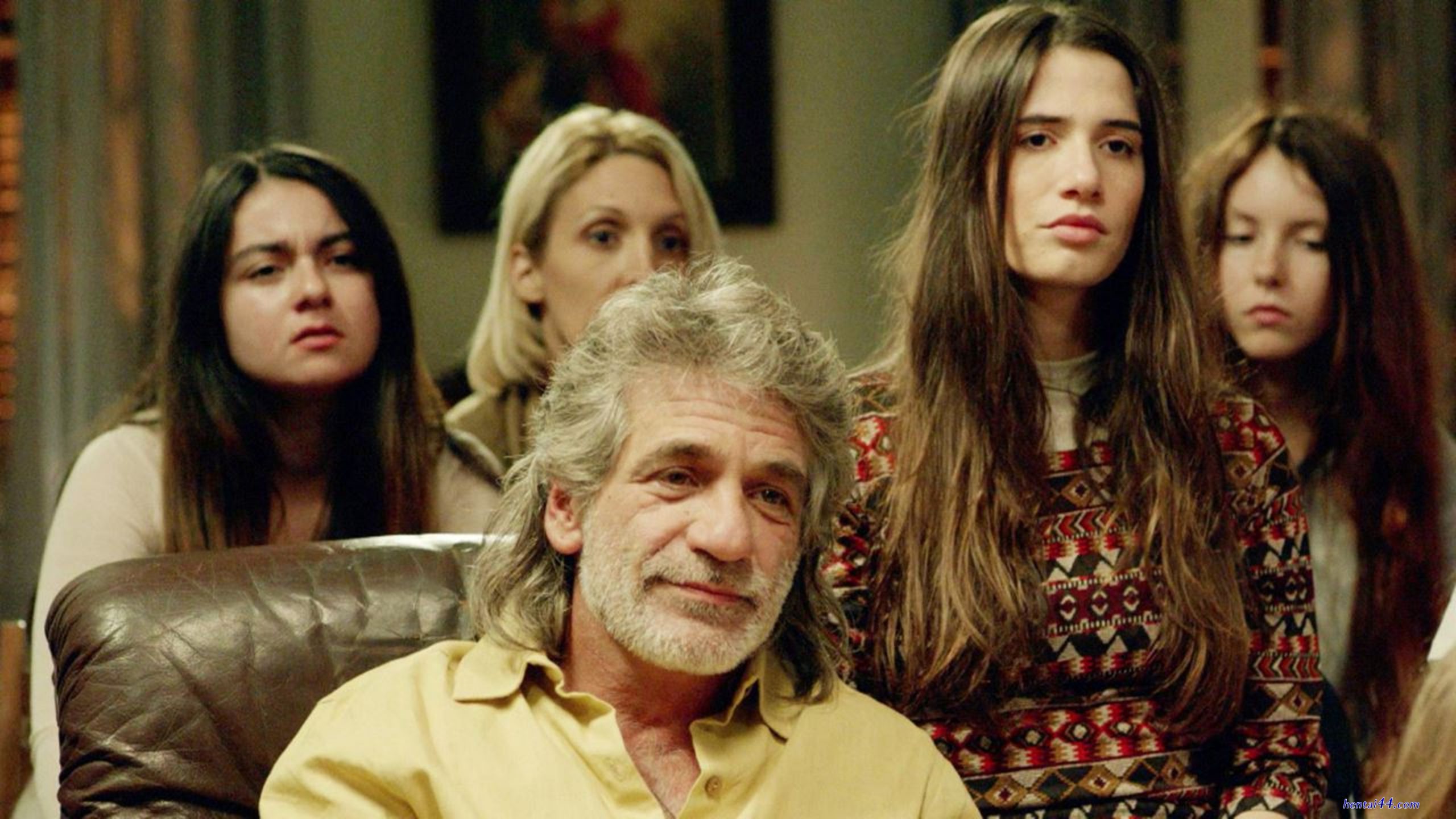
Produced by Endemol Shine Israel for local broadcaster Reshet 13, the show is inspired by real-life cults in the country and around the world. In this fictional story, a charismatic mystic healer lives in large house in Tel Aviv with 20 wives, who have borne him more than 40 children.
Created and written by Anat Barzilai, Hadar Galron and Gadi Taub, who directs with Marco Carmel, Harem focuses on a 17-year-old girl who is persuaded to join her sister by the side of cult leader Shabtai Zadik (played by Alon Aboutboul) – much to the distress of her parents, who are powerless to bring their children home.
Harem was initially conceived as a play by Barzilai and Galron, whose interest in cults accelerated after meeting Maayan Miriam Smadar, a cult survivor who wrote a book based on her experience. Friends for many years, the writers shared a background in comedy acting but had never penned a primetime drama before, prompting Endemol Shine Israel’s head of drama Gal Zaid to bring Taub on board as head writer.
There were times when the writing team worried Harem might be too dark, after hearing from friends who said they couldn’t watch because scenes were too “horrible.” One story thread sees a cult member forced to transfer custody of her child to its non-cult member father.
“Our budget was $200,000 per episode. The season’s budget was less than The Sopranos’ catering budget. I don’t know if that’s true, but it sounds good,” he jokes. “They did $5m per episode, we do $200,000. The system is completely different. You shoot by location and you have to shoot 11 minutes a day. So pre-production is key. In the way we arrange the budget, I said, ‘Let’s put more money into rehearsals so that we save time on set.’”
Taub describes writing a series with the villain at its centre as the most challenging aspect of his work on Harem. “It’s a strange thing because the centre of this solar system is not a sun, it’s a black hole,” he says. Meanwhile, the protagonist emerges as the younger sister who, coerced into joining the cult at the beginning, ends up battling against the “frightening ghoul” in charge.
Season two will see the episode count rise by 50%, from eight to 12 episodes, with a story Taub teases will be completely different and will focus more on daily life inside the commune.
Galron adds: “If there is one thing I would like more of [in season two], it’s humour. We made 16 episodes into eight episodes in season one and a lot of the humour was eventually cut out. It’s something we’ve spoken about, because I believe humour is a way of not taking the away the weight of the drama but making it more watchable. I believe in entertaining and giving a punch to the stomach at the same time.”
Episode 64: You’re young and struggling to make ends meet. Then you get invited to live in the lap of luxury in a place far away… with no guarantee of your safety. Writer Jillian Lauren recounts the events from her book Some Girls: My Life in a Harem as the guest of the Prince of Brunei, including how she was first recruited, how what she went through was similar to the Bachelor and the Hunger Games, the level of sadism she experienced, and the backlash







![Emma Episode 1 [Doberman Studio]](https://hentai44.com/wp-content/uploads/2024/12/Emma-Episode-1-Doberman-Studio-364x205.jpg)