Gallery



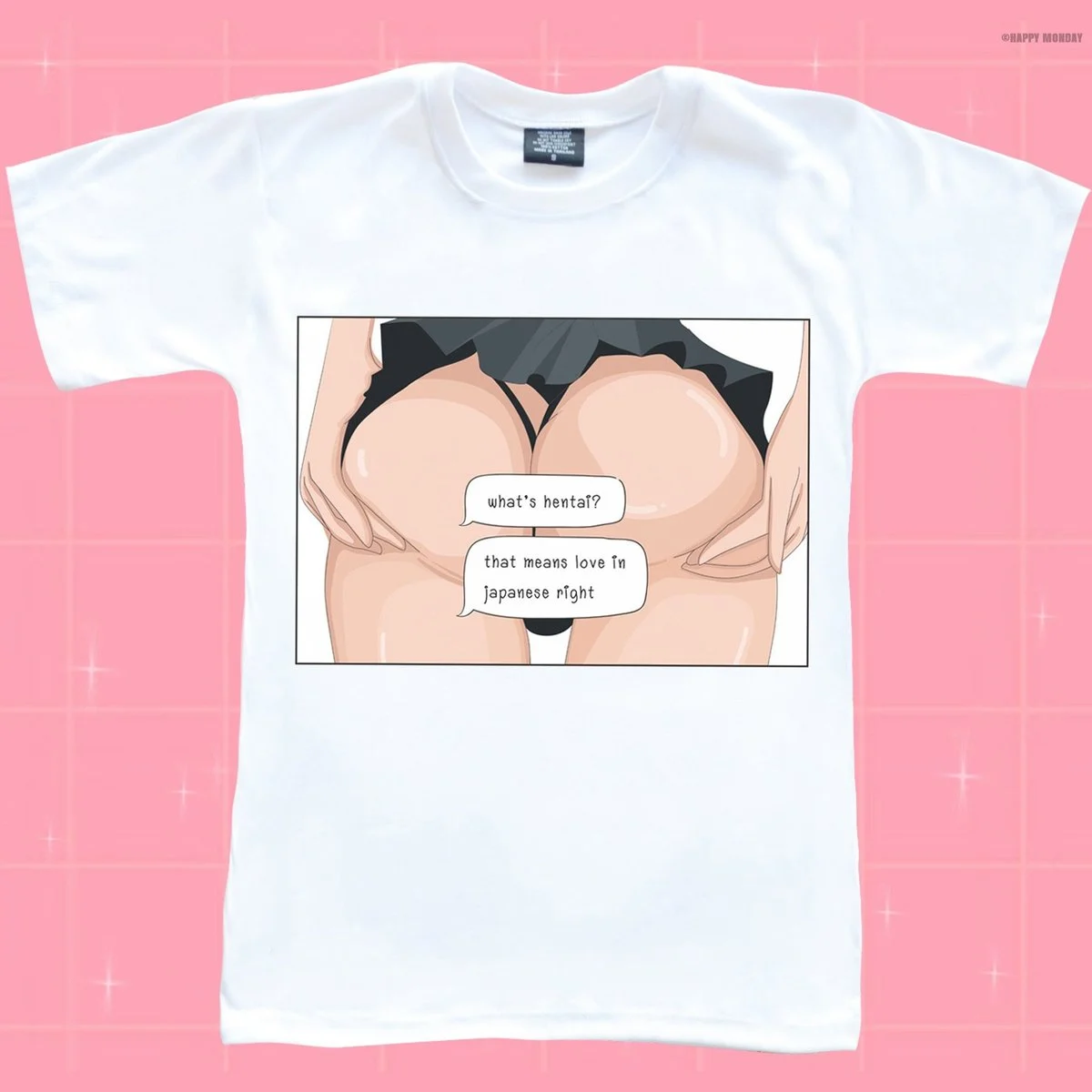


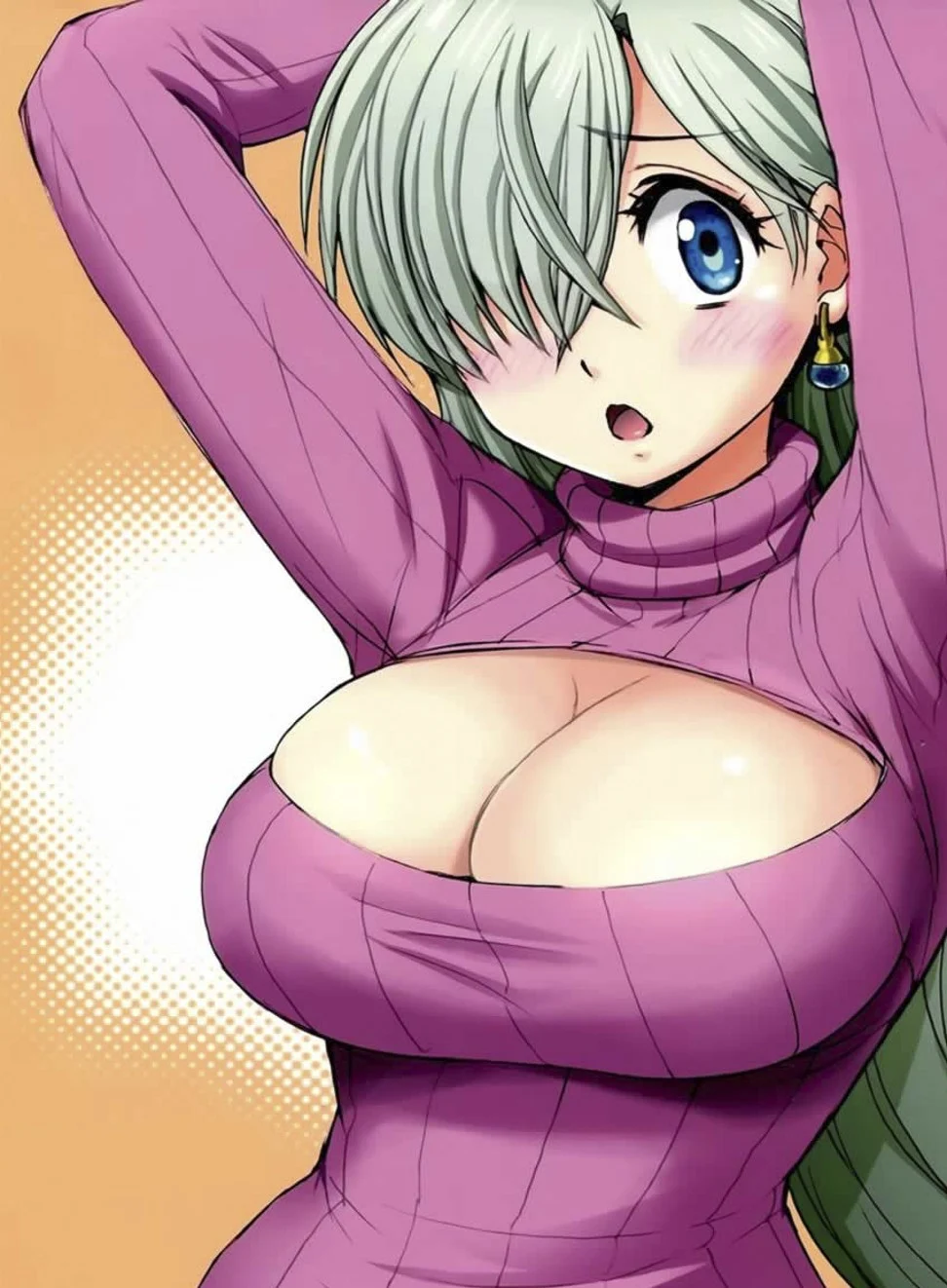



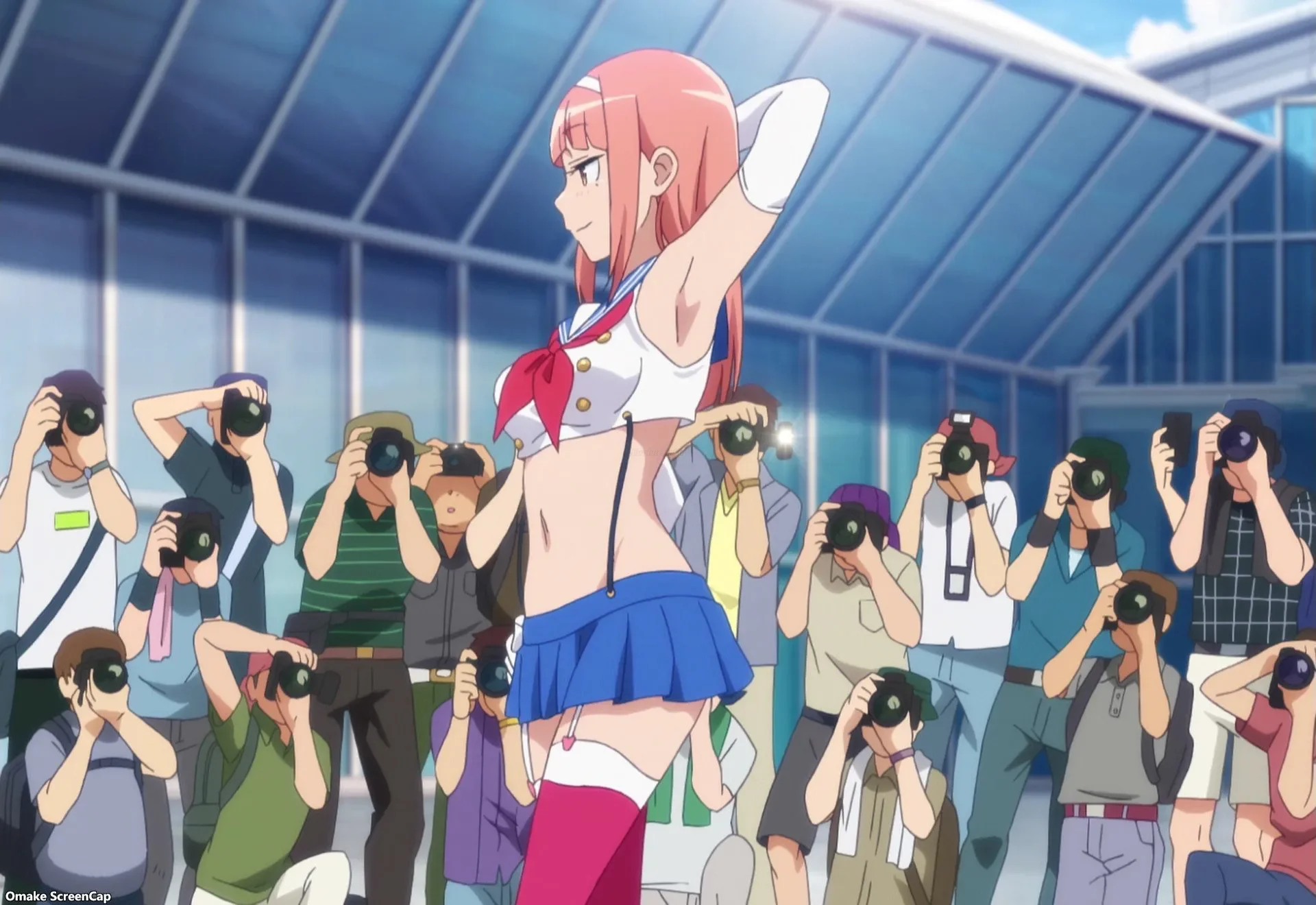



Parents face numerous challenges in keeping their children safe online. One such challenge is understanding and addressing the presence of explicit content, including hentai. But what is hentai, and why should parents be concerned? This comprehensive guide will explore the world of hentai, its potential impact on children, and provide practical strategies for protecting young minds in the digital landscape.
Hentai is a term that has gained significant attention in discussions about online content and child safety. But what is hentai exactly? The word “hentai” is Japanese in origin, literally translating to “perverse” or “abnormal.” In the context of media and online content, hentai refers to a genre of Japanese anime (animation) and manga (comics) that contains explicit sexual content.
Understanding what is hentai porn and how it differs from other forms of adult content is crucial for parents. Unlike live-action pornography, hentai is entirely animated or illustrated. This distinction is important because the animated nature of hentai can sometimes blur the line between fantasy and reality, especially for younger viewers who may not fully comprehend the content’s mature nature.
Hentai often features exaggerated physical characteristics, fantastical scenarios, and themes that may not be possible or legal in real-life situations. This can include a wide range of sexual acts, fetishes, and even non-consensual or violent content. The animated format allows for the depiction of scenarios that would be impossible, illegal, or unethical to produce with real actors.
To fully grasp the issue, it’s important to understand what is hentai anime and how it relates to mainstream Japanese animation. Hentai has its roots in traditional Japanese art forms, such as shunga, which are erotic woodblock prints dating back to the Edo period (1603-1867). As anime and manga gained popularity in the 20th century, adult-oriented content evolved alongside mainstream entertainment.